For most patients with serious liver disease, transplant is not the starting point. It usually comes up after months or years of treatment, when the condition stops responding as expected.
At that stage, medication and routine care are no longer enough. A transplant becomes the only definitive option.
One approach that comes up frequently is living donor liver transplantation (LDLT). For patients and families, the concerns are straightforward:
Is it safe?
Who can donate?
What does recovery actually look like?
At the same time, timelines start to matter. In many countries, waiting periods can delay treatment. This is why patients increasingly consider India, where transplant programs are structured to move faster, with established living donor pathways and experienced surgical teams.
This guide answers the key questions patients typically have, based on how transplant care is actually planned and delivered.
What is a Living Donor Liver Transplant?
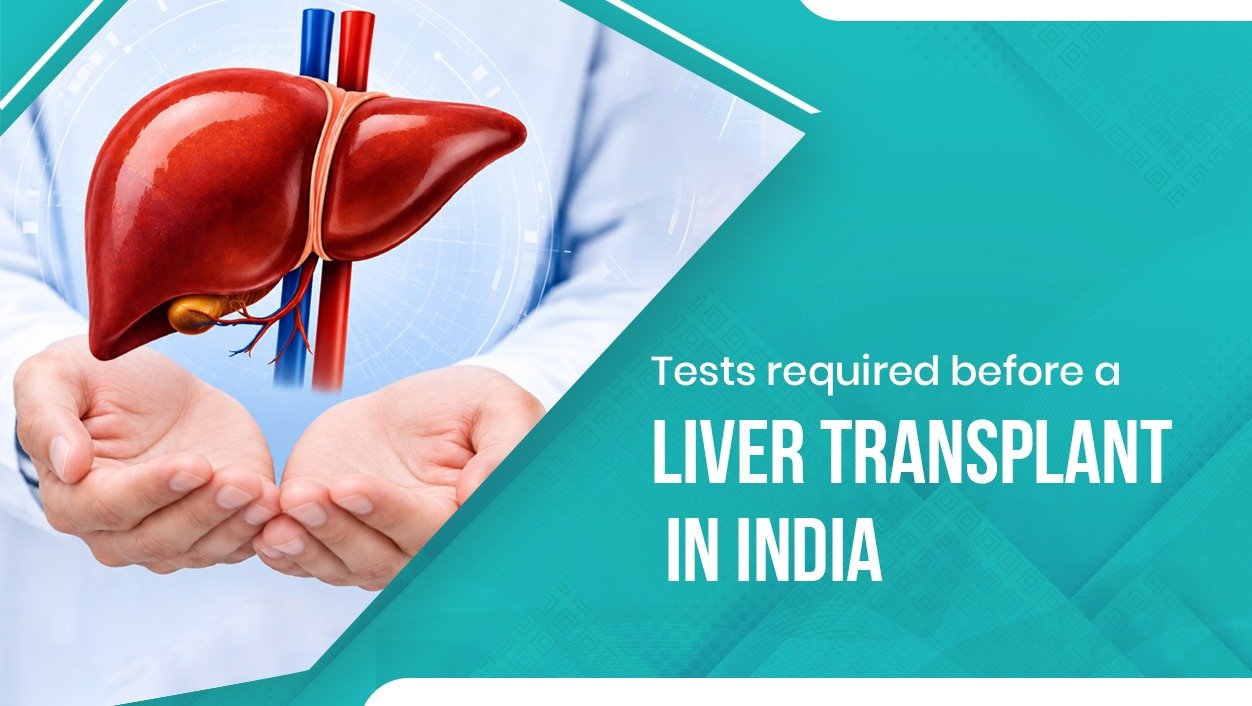
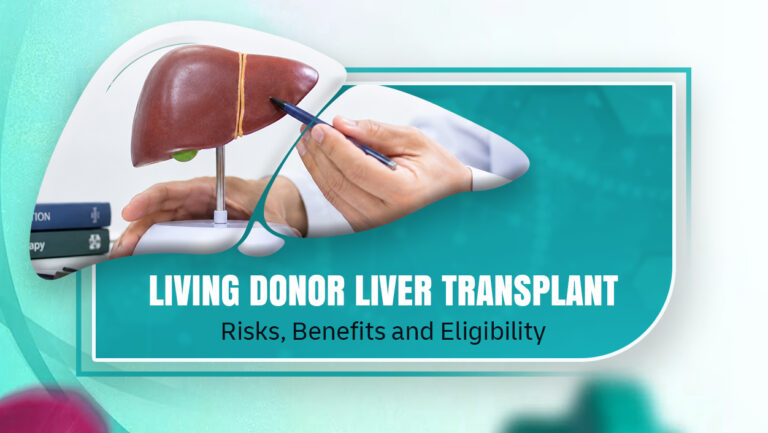
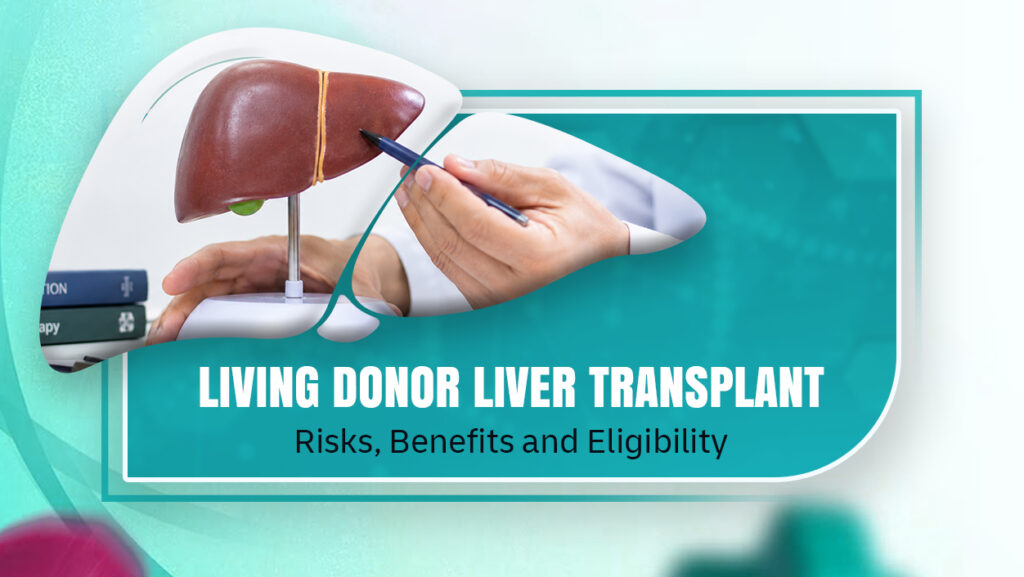
A living donor liver transplant involves removing a portion of a healthy person’s liver and transplanting it into a patient with liver failure. The liver has a unique ability to regenerate, which allows both the donor and recipient livers to grow back to near-normal size within weeks.
Unlike deceased donor transplants, LDLT is planned in advance. This reduces waiting time and allows the procedure to be performed before the patient’s condition worsens.
Why Patients Consider Living Donor Transplants
In many countries, waiting lists for deceased donor organs are long. Patients with advanced liver disease often deteriorate while waiting.
LDLT addresses this gap:
- Reduced waiting time: Surgery can be scheduled once a suitable donor is identified
- Better timing: Transplant happens before complications become severe
- Improved outcomes: Patients are often in a more stable condition at the time of surgery
For many families, the decision is not just medical but time-sensitive.
Who is Eligible for a Liver Transplant?
Eligibility depends on both medical need and overall fitness for surgery.
Common conditions requiring transplant:
- Cirrhosis (due to alcohol, fatty liver disease, or viral hepatitis)
- Acute liver failure
- Liver cancers within transplant criteria
- Genetic or metabolic liver disorders
Basic recipient criteria:
- Advanced liver disease with poor prognosis
- No active uncontrolled infections
- No advanced, untreatable cancers outside the liver
- Ability to undergo major surgery
Each case is evaluated individually through blood tests, imaging, and multidisciplinary review.
Who Can Be a Living Donor?
Donor safety is the first priority in LDLT.
Typical donor requirements:
- Age between 18 and 55 years
- Physically and mentally healthy
- Compatible blood group
- Normal liver function and anatomy
- No major medical conditions such as uncontrolled diabetes, heart disease, or obesity-related complications
Donors are usually close relatives, though in some regions altruistic donation is permitted under strict ethical guidelines.
A detailed evaluation process ensures that donation does not pose long-term health risks.
Benefits of Living Donor Liver Transplant
1. Timely Intervention
The biggest advantage is avoiding long waiting periods. Early transplant reduces complications like infections, internal bleeding, and organ failure.
2. Better Survival Rates
Studies consistently show that patients undergoing planned LDLT often have outcomes comparable to or better than deceased donor transplants, especially when done before critical deterioration.
3. Elective Surgical Planning
Since the surgery is scheduled, both donor and recipient are optimised beforehand, reducing intraoperative risks.
4. Reduced Waiting List Mortality
Patients do not have to depend on organ availability, which can be unpredictable.
Risks Involved: What to Know Clearly
No major surgery is risk-free. Understanding this helps set realistic expectations.
For the Recipient:
- Bleeding and infection
- Bile duct complications (leaks or narrowing)
- Rejection of the transplanted liver
- Need for lifelong immunosuppressive medication
For the Donor:
- Pain and temporary discomfort after surgery
- Small risk of complications such as bleeding or infection
- Rare but serious complications (globally reported donor mortality is low, generally under 0.5% in experienced centres)
Donor recovery is usually steady, with most returning to normal activity within 6–12 weeks.
Recovery and Life After Transplant
Recipient recovery:
- Hospital stay: 2 to 3 weeks on average
- Gradual return to routine over 2 to 3 months
- Lifelong follow-up and medication
Donor recovery:
- Hospital stay: about 7 to 10 days
- Return to work: typically within 6 to 8 weeks
Post-transplant, many patients return to a near-normal quality of life, including work and daily activities.
Common Questions Patients Ask
Is liver donation safe in the long term?
Yes, in medically suitable donors, long-term outcomes are generally excellent. The liver regenerates, and most donors lead normal lives without restrictions.
How long does the liver take to regrow?
Initial regeneration happens within weeks, with substantial recovery in about 2 to 3 months.
What is the success rate?
Success depends on multiple factors, including the patient’s condition and centre experience. Leading transplant centres report high survival rates, especially when performed at the right time.
Is age a limiting factor for recipients?
Not strictly. Biological fitness matters more than chronological age.
Why India Has Become a Liver Transplant Hub
Over the past decade, India has emerged as a leading destination for liver transplants, particularly for international patients seeking timely intervention.
1. Significantly Shorter Waiting Time
LDLT programs in India are well-established, allowing surgeries to be scheduled without prolonged delays.
2. High Surgical Volumes
Experienced transplant teams perform a large number of procedures annually, which directly impacts clinical outcomes.
3. Advanced Infrastructure
Major centres are equipped with dedicated transplant ICUs, advanced imaging, and multidisciplinary teams.
4. Cost Accessibility
Cost of Liver Transplant Surgery in India are often substantially lower compared to Western countries, without compromising on medical standards.
5. Coordinated Care for International Patients
Hospitals typically provide end-to-end support, including evaluation, surgery, and follow-up planning.
Why Timing Matters More Than Most Realise
A key pattern seen in transplant care is delay. Many patients wait until complications escalate, which increases surgical risk and recovery time.
Early evaluation does not mean immediate surgery. It ensures that when needed, the process moves quickly without avoidable delays.
Final Takeaway
Living donor liver transplantation in India is not just a surgical option, it is a time-sensitive decision pathway. It offers a controlled, planned approach to treating advanced liver disease, often with better outcomes than waiting for a deceased donor organ.
Understanding eligibility, risks, and recovery helps families make informed decisions without uncertainty.
If liver disease has progressed or transplant has been suggested, the next step is not waiting. It is evaluation, planning, and clarity on options available.
Have questions regarding live transplant surgery in India , Contact us today.