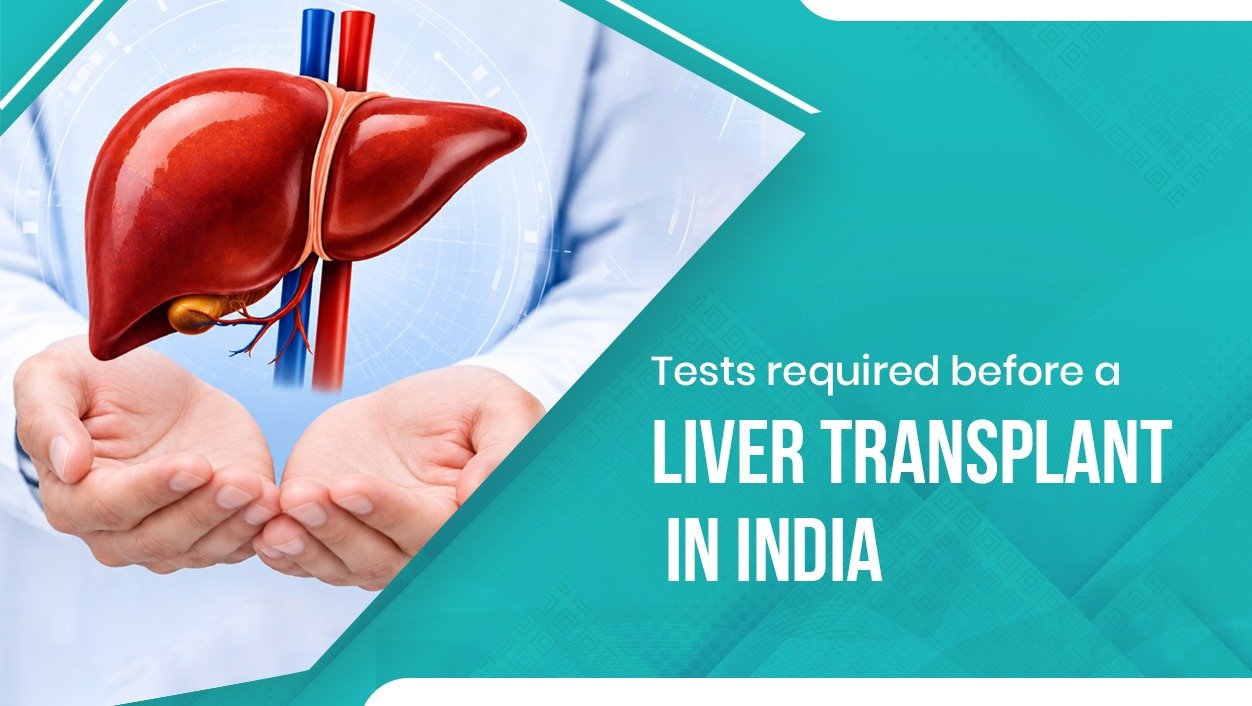
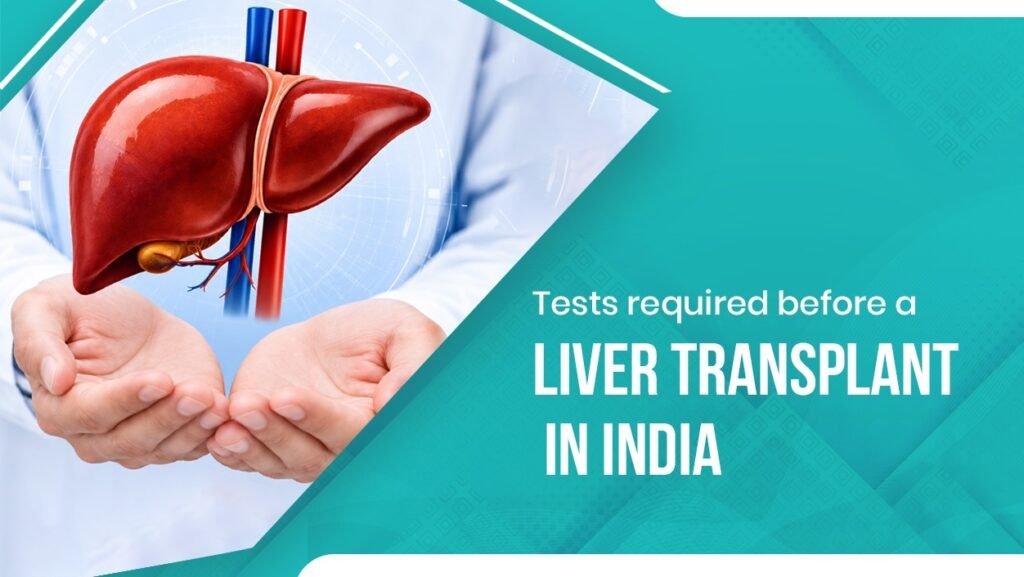
A liver transplant is one of the most complex procedures in modern medicine. Before surgery can be planned, every patient must undergo a detailed medical evaluation to determine whether a transplant is appropriate, identify potential risks, and improve the chances of a successful outcome.
For international patients considering a liver transplant in India, understanding the evaluation process can help you prepare for treatment, avoid unnecessary delays, and ensure all required medical information is available before travelling.
This guide explains the tests commonly performed before a liver transplant in India and why they are essential.
Explore Why international patients choose India for liver transplant surgery
Why Are Tests Required Before a Liver Transplant?
The purpose of pre-transplant testing extends far beyond diagnosing liver disease. A comprehensive evaluation helps the transplant team:
- Confirm whether a liver transplant is the most appropriate treatment.
- Assess the severity of liver disease.
- Evaluate the health of other vital organs.
- Identify infections or medical conditions that may increase surgical risk.
- Determine eligibility for transplantation.
- Prepare an individualised treatment and recovery plan.
- Evaluate a potential living donor when applicable.
The results allow surgeons, hepatologists, anaesthetists, and transplant coordinators to make informed decisions before proceeding with surgery.
Blood Tests Before a Liver Transplant
Blood investigations provide valuable information about liver function, overall health, and transplant suitability.
Common blood tests include:
1. Liver Function Tests (LFTs)
These measure enzymes, bilirubin, albumin, and other markers to assess how well the liver is functioning.
2. Complete Blood Count (CBC)
Checks red blood cells, white blood cells, and platelets to identify anaemia, infection, or bleeding risks.
3. Kidney Function Tests
Since liver disease can affect kidney function, these tests help determine whether the kidneys are healthy enough for surgery.
4. Blood Group Testing
Blood typing is essential for donor-recipient compatibility.
5. Coagulation Profile
Patients with advanced liver disease often have impaired blood clotting. Coagulation studies help evaluate bleeding risk during surgery.
6. Viral Screening
Tests are typically performed for infections such as:
- Hepatitis B
- Hepatitis C
- HIV
Additional viral screening may be recommended depending on individual circumstances.
Imaging Tests
Medical imaging allows specialists to understand the condition of the liver and surrounding structures before transplantation.
Common investigations include:
1. Ultrasound
Provides an initial assessment of the liver, blood vessels, and abdominal organs.
2. CT Scan
Creates detailed cross-sectional images that help surgeons evaluate liver anatomy and plan the transplant.
3. MRI Scan
Used when more detailed imaging is required, particularly for liver tissue and bile ducts.
4. Doppler Ultrasound
Evaluates blood flow through the liver and major blood vessels.
These imaging studies help identify anatomical variations and surgical considerations before transplantation.
Cardiac Assessment
A liver transplant places significant demands on the cardiovascular system.
Patients commonly undergo:
- Electrocardiogram (ECG)
- Echocardiogram
- Cardiology consultation
- Stress testing when clinically indicated
These assessments help determine whether the heart can safely tolerate major surgery.
Lung Evaluation
Healthy lung function is equally important before transplantation.
Investigations may include:
- Chest X-ray
- Pulmonary Function Tests (PFTs)
- Respiratory physician assessment when required
These tests identify underlying respiratory conditions that could affect surgery or recovery.
Infection Screening
Active infections should be identified and treated before transplantation whenever possible.
The transplant team evaluates patients for bacterial, viral, and fungal infections that may increase complications after surgery, particularly because immunosuppressive medication reduces the body’s ability to fight infection.
Cancer Screening
Certain cancers may influence transplant eligibility or require treatment before surgery.
Depending on the patient’s age, medical history, and risk factors, screening may include appropriate investigations recommended by the transplant team.
Nutritional Assessment
Many patients with chronic liver disease experience malnutrition or muscle loss.
A nutritional assessment helps specialists develop dietary plans that support recovery before and after transplantation.
Psychological Evaluation
A liver transplant requires lifelong follow-up and strict adherence to medication schedules.
Psychological assessment helps determine whether patients understand the procedure, are emotionally prepared, and have adequate family or caregiver support during recovery.
Tests Required for Living Liver Donors
If a living donor liver transplant is planned, the donor also undergoes extensive evaluation.
This generally includes:
- Blood group compatibility testing
- Complete blood investigations
- Liver function assessment
- CT liver volumetry
- MRI imaging
- Cardiac evaluation
- General medical examination
- Psychological assessment
The donor evaluation ensures that liver donation is safe for both the donor and recipient.
Can Some Tests Be Completed Before Travelling to India?
Yes. Many blood tests and imaging studies can often be performed in your home country before travelling.
However, transplant centres in India may repeat certain investigations to ensure they meet the hospital’s protocols, verify results, and obtain the most up-to-date clinical information before surgery.
Your transplant coordinator will advise which reports can be brought from home and which tests need to be completed after arrival.
How Long Does the Liver Transplant Evaluation Take?
The duration varies depending on the patient’s medical condition and whether a living donor is involved.
For many international patients, the complete evaluation can often be coordinated over several days, allowing specialists to review results, discuss treatment options, and determine the most appropriate transplant plan.
Preparing for Your Medical Journey
Before travelling to India, it is helpful to organise:
- Previous medical records
- Blood test reports
- CT, MRI, or ultrasound images
- Current medication list
- Passport and visa documentation
- Donor medical information (if applicable)
Having complete medical documentation can help streamline the evaluation process.
Take the First Step Towards Liver Transplant Care in India
If you are considering a liver transplant in India, understanding the evaluation process is the first step towards informed decision-making.
Our patient care team can help coordinate your medical records, arrange specialist consultations, and guide you through every stage of your treatment journey.
Request a medical opinion today and explore your liver transplant options with experienced specialists in India.
Frequently Asked Questions
Some investigations can be completed in your home country, but the transplant centre may repeat selected tests to confirm current clinical findings and follow hospital protocols.
The evaluation typically takes several days, depending on the complexity of the case and whether a living donor is being assessed.
Yes. Living donors undergo comprehensive medical, imaging, psychological, and surgical evaluations to ensure donation is safe.
These assessments help determine whether the patient is fit to undergo major surgery and reduce the risk of complications during and after the procedure.
Not always. The transplant team tailors the evaluation based on the patient’s medical history, liver condition, and overall health.
Yes. If the assessment identifies factors that significantly increase surgical risk or affect transplant success, the team may recommend alternative treatment options or further medical management.