Struggling with Liver Failure and Exploring Transplant Options Abroad?
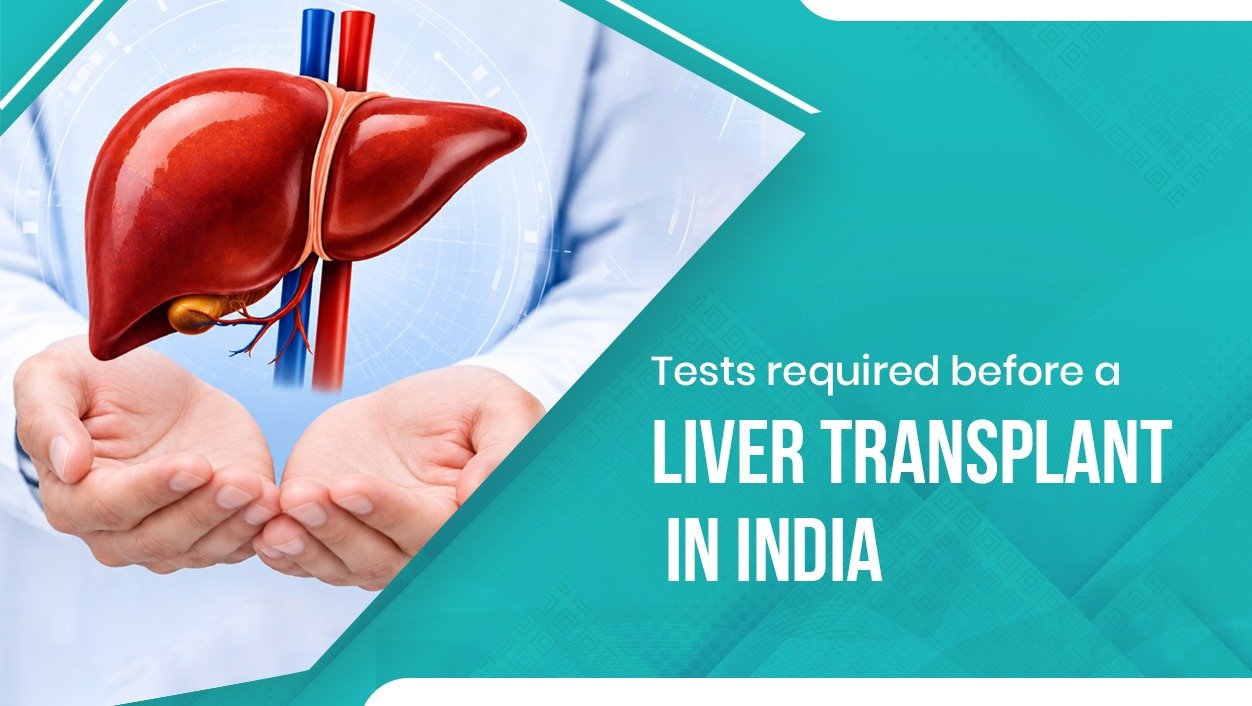
Liver failure and end-stage liver disease represent a critical point where medical therapy alone is no longer sufficient. When the liver permanently loses its ability to perform essential metabolic, detoxification, and synthetic functions, liver transplant surgery becomes the only definitive treatment capable of restoring long-term survival and quality of life.
For patients considering treatment outside their home country, the decision is driven not only by cost but by surgical outcomes, donor availability, waiting time, regulatory clarity, and continuity of care. Over the last decade, India has steadily emerged as one of the most established global destinations for liver transplantation, particularly for patients from Africa, the Middle East, Southeast Asia, and select Western regions.
Medical Conditions That Require Liver Transplant Surgery
A liver transplant is indicated when chronic or acute liver disease leads to irreversible loss of liver function or life-threatening complications. Common medical indications include:
- End-Stage Liver Disease and Cirrhosis:
Progressive scarring of the liver caused by chronic hepatitis B or C, alcohol-related liver disease or non-alcoholic fatty liver disease. Advanced cirrhosis results in portal hypertension, ascites, encephalopathy, and multi-organ impact. - Acute Liver Failure:
Sudden and severe deterioration of liver function due to viral infections, drug-induced liver injury, toxins, or autoimmune causes. These cases often require urgent transplant evaluation due to rapid clinical decline. - Liver Cancer (Hepatocellular Carcinoma):
Selected patients with early-stage hepatocellular carcinoma that cannot be safely resected may qualify for liver transplantation, offering both tumor removal and treatment of underlying liver disease. - Genetic and Metabolic Liver Disorders:
Conditions such as Wilson’s disease, hemochromatosis, and biliary atresia in children lead to progressive liver damage and often require transplantation when medical management fails. - Advanced Chronic Viral Hepatitis:
Long-standing hepatitis B or C infections can progress to severe fibrosis and cirrhosis, ultimately resulting in liver failure if not adequately treated.
Expert Note: Surgeons use the MELD Score (6–40) to measure the urgency of your case. Knowing this score helps medical prioritize your transplant timeline.
Types of Liver Transplant Surgery Available in India
India offers the full spectrum of liver transplant procedures, supported by established transplant programs and multidisciplinary teams.
- Deceased Donor Liver Transplant (DDLT):
The liver is obtained from a brain-dead donor following legal consent and medical suitability. DDLT is used for patients with end-stage liver disease or liver cancer when a living donor is not available. Waiting times vary depending on blood group and organ availability. - Living Donor Liver Transplant (LDLT):
A portion of the liver is donated by a living near relative. Both donor and recipient livers regenerate over time. LDLT is widely practiced in India and allows planned, timely transplantation, particularly important for acute liver failure and pediatric cases. - Split Liver Transplant:
A deceased donor liver is divided and transplanted into two recipients, usually an adult and a child. This approach improves organ utilization and access for pediatric patients. - Auxiliary or Partial Liver Transplant:
A segment of healthy liver is transplanted while retaining part of the native liver. This technique is used in select metabolic or acute liver failure cases where native liver recovery is possible.
Why India Is Emerging as a Global Leader in Liver Transplant Surgery
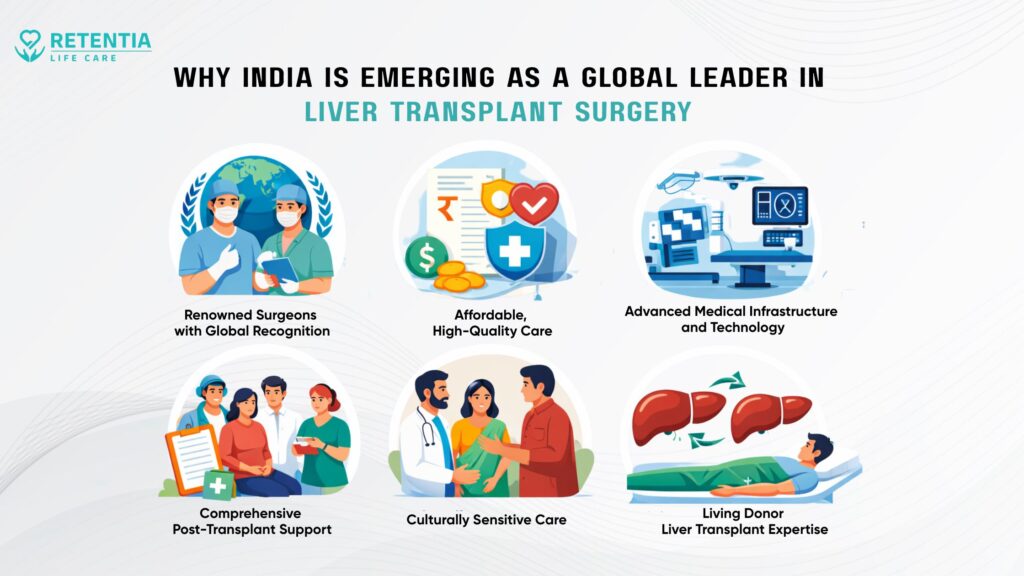
1.Renowned Surgeons with Global Recognition
India currently performs one of the highest numbers of living donor liver transplants worldwide, with experienced surgeons leading high-volume programs. Many have trained or practiced in international transplant centers and routinely handle complex adult and pediatric cases. High procedural volume is a key contributor to consistent surgical outcomes.
2.Affordable, High-Quality Care
The cost of liver transplant surgery in India typically ranges between USD 25,000 to USD 45,000, depending on hospital, city, and case complexity. This includes major clinical components of care and is significantly lower than costs in the USA or Europe, where expenses can exceed USD 700,000.
3.Advanced Medical Infrastructure and Technology
Leading transplant hospitals are equipped with dedicated transplant operation theatres, advanced imaging, specialized laboratories, and transplant ICUs. These facilities support precise surgical execution, real-time monitoring, and complex post-operative management.
4.Comprehensive Post-Transplant Support
Post-transplant care includes infection surveillance, immunosuppression management, liver function monitoring, dietary rehabilitation, and patient education. Most centers require patients to remain in India for approximately 6 to 8 weeks after surgery for close monitoring before medical clearance for travel.
5.Culturally Sensitive Care
Hospitals accustomed to treating overseas patients provide language assistance and coordinated patient support, allowing smoother communication and care navigation during hospitalization and recovery.
6.Living Donor Liver Transplant Expertise
India is globally recognized for LDLT expertise. Donor evaluation follows strict medical and legal protocols, with donor safety treated as a non-negotiable priority. Top centers report excellent donor outcomes alongside high graft survival rates for recipients.
Important Legal and Regulatory Consideration for International Patients
Under India’s Transplantation of Human Organs and Tissues Act (THOTA), living liver donation is permitted only from a near relative such as a parent, sibling, spouse, or child.
Non-related donations require enhanced scrutiny and approval from a government-appointed Authorization Committee to prevent organ trafficking. This legal safeguard is a critical factor for patients planning living donor transplants.
What Does a Liver Transplant Cost Package in India Usually Include?
Most hospitals provide structured treatment packages, which commonly cover:
- Pre-transplant evaluation and investigations for the patient
- Donor evaluation and surgery costs in LDLT cases
- Operation theatre and anesthesia charges
- Surgeon and medical team fees
- ICU and ward stay within a defined duration
- Standard medicines and nursing care during admission
- Basic investigations during hospitalization
- Initial follow-up visits after discharge
Typically excluded costs include:
- Long-term immunosuppressive medications after returning home
- Extended ICU or ward stay due to complications
- Specialized investigations beyond the package scope
- Accommodation and food for family members outside the hospital
Patients are strongly advised to request a written cost estimate with clear inclusions and exclusions before confirming treatment.
Success Rates and Outcomes of Liver Transplant Surgery in India
Clinical outcomes are a key consideration for patients evaluating liver transplant surgery in India. Leading transplant centres report results that align closely with international benchmarks across adult, pediatric, living donor, and complex transplant cases.
Overall Survival Outcomes
Across established liver transplant programs in India:
- One-year survival rates for adult liver transplant recipients typically range between 85% and 90%
- Pediatric liver transplant survival rates frequently exceed 90% at one year, particularly in children without advanced systemic complications
These figures reflect consistency in surgical execution, peri-operative management, infection control, and long-term immunosuppression protocols.
Outcomes in Hepatocellular Carcinoma (HCC)
In patients with hepatocellular carcinoma, liver transplantation offers both treatment and cure when strict selection criteria are followed. While overall survival remains high, the more relevant clinical outcome in cancer cases is disease-free survival, meaning long-term prevention of tumour recurrence.
Indian transplant centres have developed strong expertise in tumour downstaging protocols, including locoregional therapies used to reduce tumour burden prior to transplant. This allows selected patients who initially fall outside standard criteria to become eligible for transplantation, improving long-term cancer-free outcomes.
Living Donor Liver Transplant Outcomes
Living donor liver transplantation accounts for a significant proportion of transplants performed in India and demonstrates excellent results when conducted at high-volume centres.
Key donor-related outcomes include:
- The donor’s liver regenerates rapidly after surgery
- Approximately 90% of original liver volume is restored within 6 to 8 weeks
- When strict evaluation and follow-up protocols are followed, long-term donor complication rates are kept low.
- Full Recovery: Most donors return to their normal professional lives and routine activities within 3 to 4 months.
This regenerative capacity is a critical reassurance factor for families considering living donation.
ABO-Incompatible Liver Transplant Success
A growing area of advancement is ABO-incompatible liver transplantation, where donor and recipient blood groups do not match. With the use of modern desensitization protocols, immunoadsorption techniques, and targeted immunosuppression:
- ABO-incompatible liver transplants in India now demonstrate success rates comparable to ABO-compatible procedures
- Outcomes in experienced centres show no significant difference in graft survival when protocols are carefully followed
This development expands donor options and reduces waiting times for patients without a compatible blood-group donor.
Data from Leading Centers
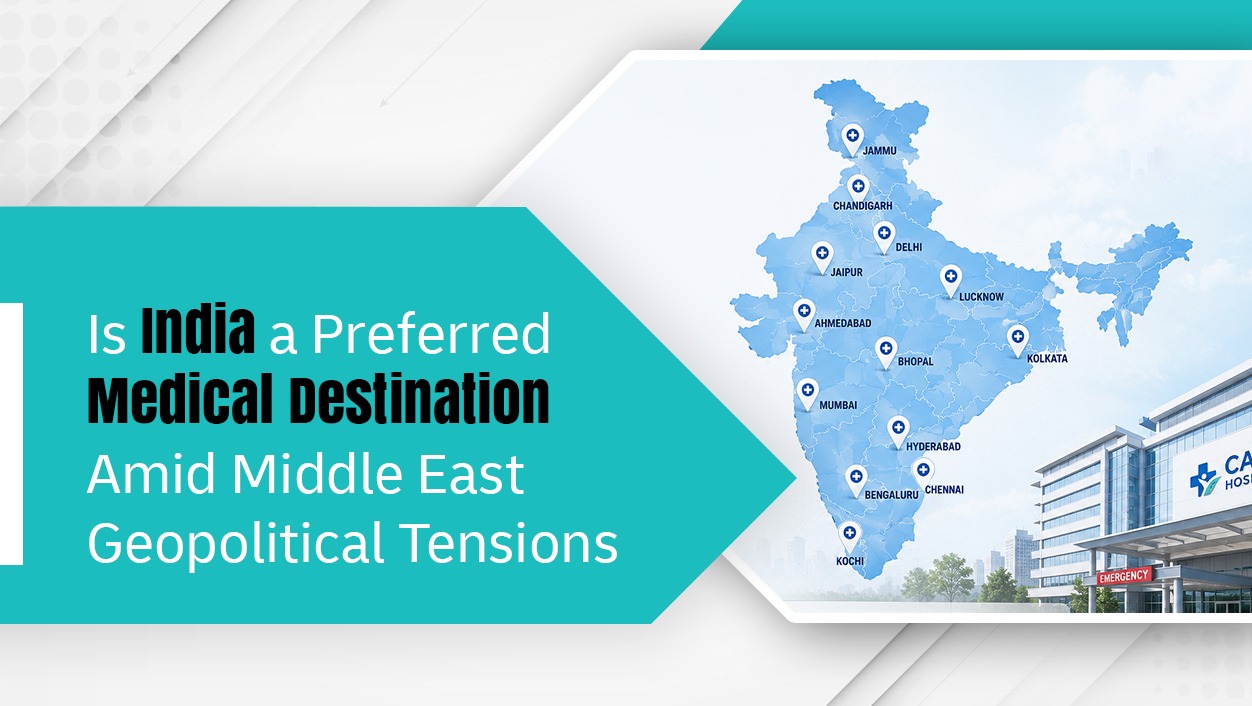
Top liver transplant centers in India, including major hospitals in Delhi-NCR, Mumbai, Chennai, Hyderabad, and Bengaluru, regularly publish or report outcomes reflective of:
- Large procedural volumes
- Structured multidisciplinary care
- Dedicated transplant ICU support
- Long-term follow-up programs
These elements contribute to reproducible outcomes that meet international clinical benchmarks.
Why Outcomes Matter for Patients Choosing India
When evaluating a transplant destination, patients often compare:
- 1-year and 5-year survival rates
- Complication rates
- Access to multidisciplinary specialists
- Continuity of care after discharge
India’s reported outcome data give confidence to patients and families that the clinical performance is not only cost-effective, but also clinically robust.
How to Choose the Right Liver Transplant Centre in India
When you research hospitals online, look for:
Experience
- Number of liver transplants performed each year
- Experience with your specific condition (for example, hepatitis B/C, NASH, pediatric transplant)
Accreditation and infrastructure
- National or international accreditation (such as NABH, JCI)
- Dedicated transplant ICU and liver unit
Specialist team
- Named liver transplant surgeons with clear qualifications
- In‑house hepatologists, anesthetists, ICU and infectious disease specialists
International patient department
- 24/7 contact options (email, phone, WhatsApp)
- Ability to handle visas, accommodation, interpreters
Transparent communication
- Written cost estimates and clear package details
- Honest discussion about risks, complications, and realistic outcomes
Take time to compare a few centres, read patient stories or testimonials, and speak directly with the teams before making a final decision.
Final Thoughts: Taking the Next Step
Choosing where to have a liver transplant is one of the most important decisions your family will ever make. India offers:
- Advanced medical technology
- Highly trained and experienced transplant teams
- More affordable treatment packages
- Comprehensive international patient support
At the same time, liver transplant is a major surgery with serious risks and long‑term follow‑up requirements. Always:
- Discuss all options with your doctors
- Ask questions until you are fully satisfied
- Compare two or three reputable centres
- Be honest about your medical history and lifestyle
Take the First Step Toward a New Lease on Life
Liver transplant surgery is a life-saving procedure that requires world-class expertise and precision. At Retentia Lifecare, we bridge the gap between international patients and India’s leading transplant centers, ensuring you receive advanced medical care with compassionate support.
Frequently Asked Questions
Yes, many international patients safely undergo liver transplants in Indian hospitals each year. Choose a reputed, high‑volume transplant centre with accreditation, experienced surgeons, and a dedicated transplant ICU. Follow all medical instructions, stay as long as advised after surgery, and keep in close touch during recovery.
Costs vary between hospitals, cities, and based on your medical condition and type of transplant (living donor vs deceased donor). However, in general, the cost of liver transplant in India is significantly lower than in many Western countries. You should always ask for:
1.A detailed written estimate
2.Clear list of what is included and excluded
3.Possible additional charges if complications occur or stay is extended
Most international patients should be prepared for:
1. Several days to a few weeks of pre‑transplant evaluation
2. 2–3 weeks of hospital stay after surgery (if recovery is smooth)
3. A few more weeks nearby for regular follow‑up visits
The exact duration depends on your health, your response to surgery, and any complications. Your team will guide you personally.
In many cases, yes: if your donor is a close relative and passes all medical, psychological and legal checks. Both donor and recipient must provide documents and appear before the concerned committees. Laws and rules are strict to ensure that donation is voluntary and ethical.
Most centres that regularly treat international patients have coordinators who guide you through the entire process, from visa invitation letters and airport pick‑up to arranging local stay and interpreters. Clarify the scope of support before you travel.
Your transplant team will usually:
1.Give a detailed discharge summary and investigation reports
2.Provide a schedule for blood tests and scans
3.Adjust medicines through periodic teleconsultations or email contact
It is important to work with a local gastroenterologist or hepatologist in your own country as well, so you always have a doctor nearby in case of emergencies.