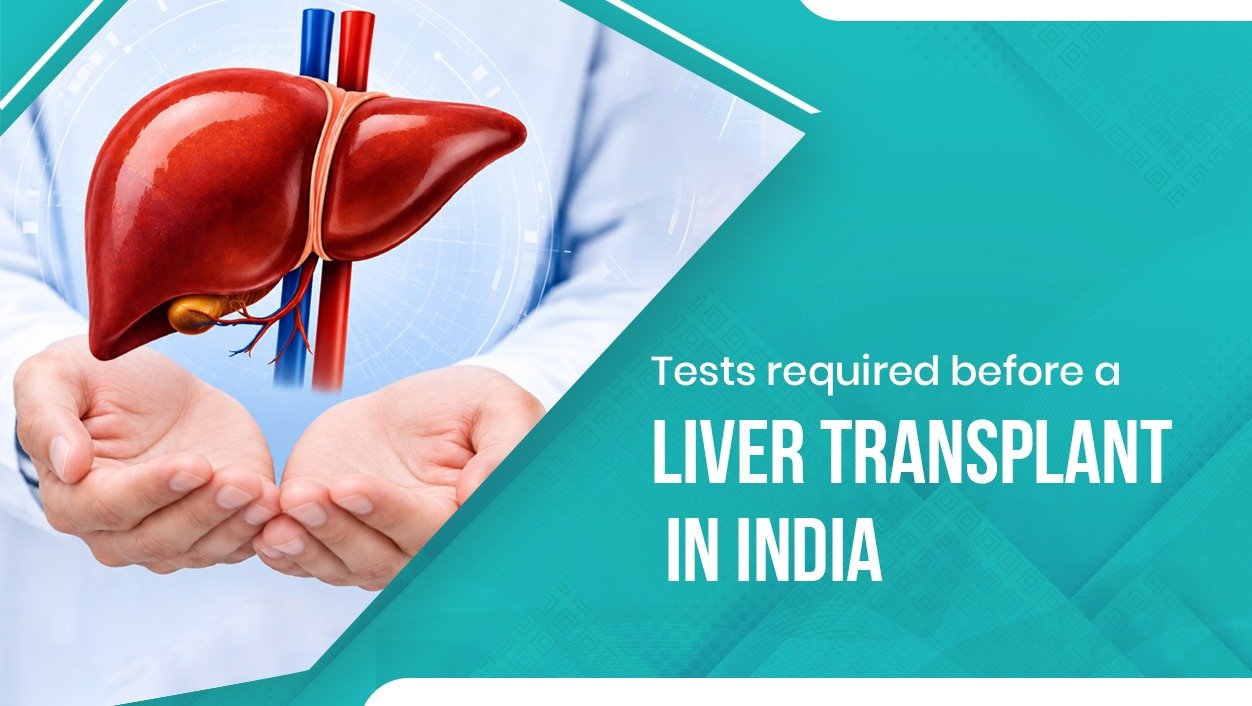
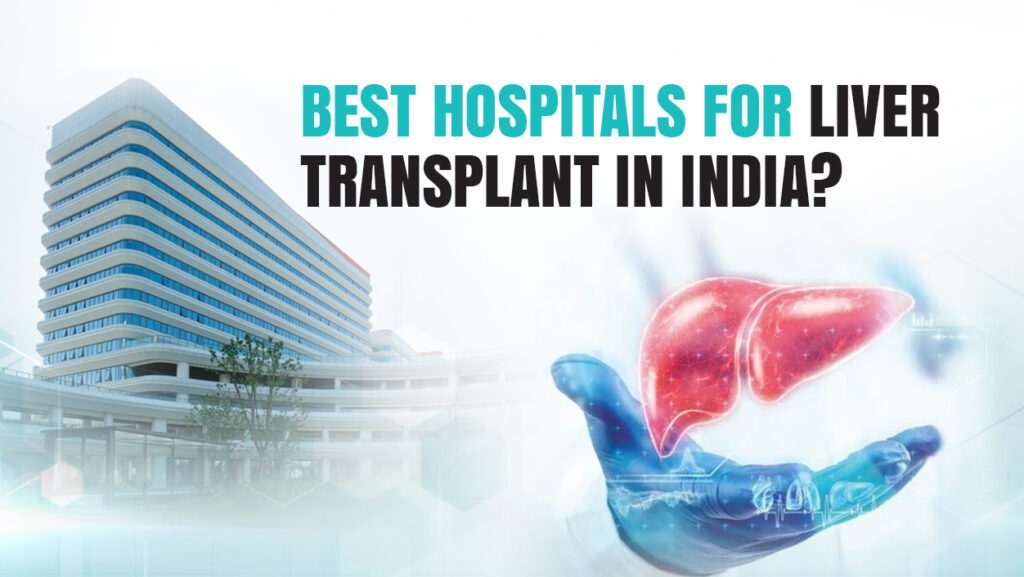
India is home to several high-volume centres offering advanced liver transplant procedures with experienced surgical teams and modern infrastructure. For patients searching for the best liver transplant hospitals in India, cities like Chennai, Delhi, and Gurgaon consistently emerge as key hubs due to their specialised transplant programs and outcomes.
This guide gives a structured overview of leading liver transplant hospitals in India, what makes them suitable, and how to think about choosing the right centre for your case. It is informational only and not a substitute for medical advice.
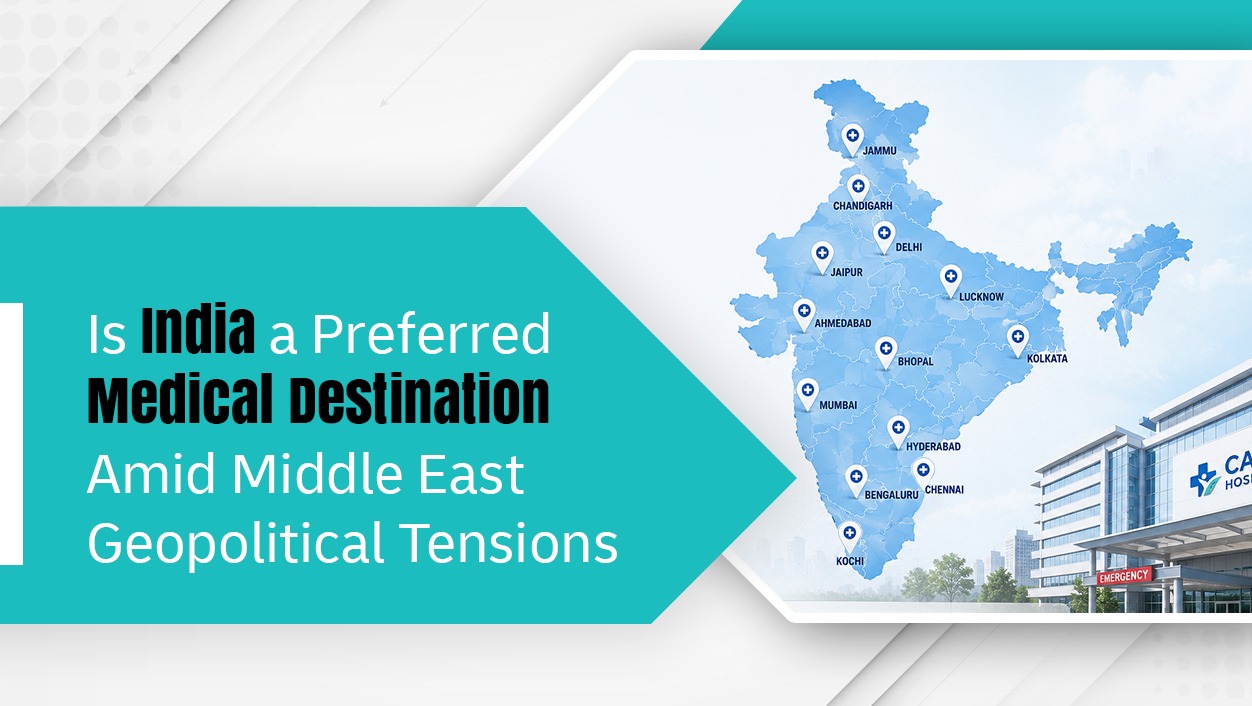
Best Cities for Liver Transplant in India
- Chennai : High concentration of transplant centres and experienced teams
- Delhi NCR (Gurgaon, Delhi): Large multi-speciality hospitals with advanced ICUs
- Mumbai & Hyderabad : Growing transplant infrastructure
Top Liver Transplant Hospitals in India
Many patients begin their research with a simple question: “Which are the well-known liver transplant hospitals in India?” Here is a quick, non-ranked list of major centres frequently referenced in liver transplant discussions and medical tourism resources:
- SIMS Hospital, Chennai
- Dr. Rela Institute & Medical Centre, Chennai
- MGM Healthcare, Chennai
- Apollo Liver Diseases & Transplantation Institute, Chennai
- Gleneagles Global Health City, Chennai
- Kauvery Hospital, Chennai
- MIOT International, Chennai
- Medanta – The Medicity, Gurgaon (NCR)
- Max Super Speciality Hospital, Saket, New Delhi
- Fortis Memorial Research Institute, Gurgaon (NCR)
These hospitals are known for established transplant programs, multidisciplinary teams, and dedicated liver ICUs, but the “best” choice will always depend on an individual patient’s condition, budget, and logistics.
Overview of major liver transplant hospitals
SIMS Hospital – Chennai
SIMS Hospital in Chennai offers a comprehensive organ transplant program, including liver transplant, with dedicated high-end operating theatres and a liver transplant ICU. The centre is designed to manage both living donor and deceased donor liver transplants and provides coordinated support through transplant coordinators, hepatologists, and critical care specialists. SIMS handles adult liver transplants and complex liver disease cases, and is part of a broader multi-organ transplant service.
This makes it one of the recognised liver transplant hospitals in Chennai for complex and routine cases.
Dr. Rela Institute & Medical Centre – Chennai
Dr. Rela Institute & Medical Centre (RIMC) was founded by Prof. Mohamed Rela, a pioneer in liver transplantation with nearly three decades of experience. The Institute of Liver Disease & Transplantation at RIMC is described as a large, multidisciplinary centre that has performed more than 1,400 liver transplants in Tamil Nadu since 2010, including complex adult and paediatric cases. The team is known for managing challenging scenarios such as very young infants, living donor transplants, and international patients from Bangladesh, Sri Lanka, and the Middle East.
MGM Healthcare – Chennai
MGM Healthcare in Chennai runs the Institute of Liver Diseases, Transplant & HPB Surgery, a quaternary-care program focused on advanced hepatobiliary and transplant care. The institute reports cumulative experience of more than 3,500 liver transplants and over 2,000 complex hepatopancreaticobiliary surgeries across the team’s career, with high reported success rates above 90 percent in many cases. The program handles living donor liver transplants, ABO-incompatible transplants, paediatric transplants, and complex liver failure cases, supported by a large multidisciplinary team and peripheral clinics in multiple cities.
Apollo Liver Diseases & Transplantation Institute – Chennai
Apollo Hospitals in Chennai hosts a dedicated Centre for Liver Disease and Transplantation, which has performed over 100 liver transplants in less than four years with reported success rates above 90 percent in that cohort. The program uses both deceased donor and living donor liver transplants and is supported by advanced critical care, diagnostics, and a large corporate hospital ecosystem across India. Patients typically benefit from integrated services, including pre-transplant workup, surgery, and long-term follow-up.
Gleneagles Global Health City – Chennai
Gleneagles Global Health City in Chennai is frequently listed among the key liver transplant centres in the city. Its liver transplant program focuses on patients with end-stage liver disease and complex hepatobiliary disorders, supported by a multidisciplinary team of transplant surgeons, hepatologists, and intensive care specialists. The hospital emphasises infection control, advanced monitoring, and rehabilitation services to support recovery after transplant.
Kauvery Hospital – Chennai
Kauvery Hospital in Chennai has grown its transplant capabilities, with public reports highlighting complex paediatric liver transplant procedures. The hospital has successfully performed liver transplants on very young patients under specialised care teams including paediatric intensivists, anaesthesiologists, and transplant surgeons. This indicates capacity to handle challenging paediatric and living donor cases within a structured multidisciplinary environment.
MIOT International – Chennai
MIOT International in Chennai runs a dedicated liver transplant program that combines advanced surgical technology, stringent infection control, and comprehensive pre- and post-transplant care. The hospital describes success rates in the range of 90–95 percent for its liver transplant program and emphasises detailed diagnostic workups using CT, MRI, ultrasound, and FibroScan to stage liver disease accurately. MIOT manages both adult and paediatric liver transplants and focuses on long-term survival and quality of life through its structured transplant programme.
Medanta – The Medicity – Gurgaon (NCR)
Medanta – The Medicity in Gurgaon is consistently cited in national overviews of liver transplant hospitals in India. As a large quaternary-care centre, Medanta hosts a high-volume liver transplant program with a dedicated liver ICU, interventional radiology, and hepatology services. The program handles adult and paediatric liver transplants, including complex and re-transplant cases, with a strong focus on multidisciplinary collaboration among surgeons, anaesthesiologists, and critical care teams.
Max Super Speciality Hospital – Saket, New Delhi
Max Super Speciality Hospital, Saket, in New Delhi appears frequently in lists of major liver transplant centres in India. The hospital offers living donor and deceased donor liver transplant services supported by hepatology, gastroenterology, and transplant anaesthesia teams. Max Saket is part of a larger network, which enables shared protocols, experience, and follow-up care for complex liver disease patients.
Fortis Memorial Research Institute (FMRI) – Gurgaon (NCR)
Fortis Memorial Research Institute in Gurgaon is another NCR-based centre often mentioned in lists of top liver transplant hospitals. FMRI’s program provides comprehensive care for end-stage liver disease, including transplant evaluation, surgery, and post-operative management. The hospital is known for multidisciplinary liver teams that manage adult and paediatric transplants and coordinate with other Fortis units in Delhi-NCR for broader access and follow-up.
What makes these hospitals suitable for liver transplant?
Instead of ranking hospitals, it is more useful to understand the features that make a centre suitable for liver transplantation:
- Multidisciplinary teams
Most established liver transplant hospitals in India operate with multidisciplinary teams. These include hepatologists, transplant surgeons, anaesthesiologists, intensivists, radiologists, infectious disease specialists, and specialised nursing staff. This is important because liver transplant patients often have involvement of multiple organ systems. Coordinated decision-making is required before, during, and after surgery. - Dedicated liver ICUs and infection control
Post-transplant patients are highly vulnerable to infections. Leading centres emphasise dedicated transplant ICUs, strict isolation protocols, and experienced critical care teams. Advanced monitoring and early detection of complications can significantly influence outcomes. - Experience with complex and paediatric cases
Centres that regularly perform complex liver transplants build deeper clinical expertise over time. This includes procedures such as living donor, ABO-incompatible, re-transplant, and paediatric transplants. Case examples like neonatal or infant transplants show that these hospitals can handle very high-risk scenarios when indicated. - Structured post-transplant care
Long-term outcomes depend heavily on immunosuppression management, infection surveillance, lifestyle counselling, and regular follow-up. Hospitals with established transplant clinics and patient education programs are better positioned to support patients beyond the hospital stay.
Why India is preferred for liver transplant
Several factors make India a preferred destination for liver transplant surgery, especially for patients from neighbouring countries and regions with limited transplant capacity.
- Cost advantage
Liver transplant costs in India typically range from ₹18–35 lakh. The final cost varies based on the hospital, city, donor type, and clinical complexity. This tends to be significantly lower than many Western countries, even when accounting for travel and stay. - Experienced transplant surgeons and teams
India has been performing liver transplants since the late 1990s. Today, thousands of procedures are conducted annually across centres with decades of cumulative experience. Some institutes report high one-year survival rates and robust long-term outcomes under experienced teams. - Advanced infrastructure
Leading hospitals offer modern operating theatres, advanced imaging, interventional radiology, and dedicated transplant ICUs with strict infection-control standards. This infrastructure is comparable to many international centres and is key for managing complex peri-operative events. - Liver transplant success rate in India
Published data and hospital reports suggest that liver transplant success rates in India are comparable to major global centres. First-year survival for many living-donor programs is frequently reported above 85–90 percent. Individual outcomes vary based on disease stage, comorbidities, and follow-up adherence.
Cost of liver transplant in India
Liver transplant costs typically include pre-transplant evaluation, surgery, ICU and ward stay, medications, and follow-up visits, and they can vary by city, hospital type, and clinical complexity.
Read our detailed guide on liver transplant cost in India, including estimates and cost factors
How to choose the right liver transplant hospital
Choosing the best liver transplant hospital in India is less about a universal ranking and more about matching your needs to a centre’s strengths. Consider:
- Clinical experience with your specific condition
- Surgeon and team experience
- ICU and support services
- Post-transplant follow-up and access
- Financial transparency and logistics
Conclusion and next steps
India offers experienced liver transplant teams and modern medical infrastructure. It also provides comparatively lower costs, making it a preferred destination for transplantation.
If you are considering a liver transplant, what is the next step ? Consult a qualified transplant specialist and evaluate hospitals based on your medical condition, urgency and support requirements. A structured consultation can help you make a more informed and confident decision.
Need assistance coordinating a liver transplant in India?
Retentia Lifecare offers structured care coordination for patients seeking liver transplant and other advanced medical treatments in India. It Includes those from the UK, Middle East, Bangladesh and Mauritius.
Our process includes:
- Specialist case review with expert evaluation of your medical reports
- Guidance on suitable treatment options before travel
- Direct coordination with accredited hospitals at standard hospital pricing, with no added markups
If you are considering treatment, you can share your reports for a confidential review and a clear understanding of the next steps.
Connect with us directly to begin the process.
FAQs about liver transplant hospitals in India
1. What is the best hospital for liver transplant in India?
There is no single best hospital for every patient. The right choice depends on diagnosis, urgency, and support requirements.
Costs typically range from 18–35 lakh INR depending on multiple factors.
Many high-volume programmes report success rates above 85–90 percent, depending on case complexity.
Chennai, Delhi, and Gurgaon are major hubs with established transplant programs.